







Search Results for: Canadian immigration policy

Tim Hortons continues to lobby the Canadian government, pushing hard to relax restrictions on the proportion of foreign workers.
Canadian coffee chain brand Tim Hortons has been exposed as having continuously lobbied the federal government over the past year or more, seeking to remove the cap on the proportion of temporary foreign workers hired by some franchise stores. Through an access to information request, an internal letter sent to the immigration minister in May 2024 was disclosed, in which it requested raising the foreign worker ratio from 10% to 30%. Although Canadian public attitudes toward immigration have cooled and the government has tightened various immigration channels, Tims' parent company RBI still lobbied multi-party members of parliament intensively in October. People familiar with the matter revealed that Tims also hopes the government will renew visas for already-employed foreign workers and is seeking an expedited approval mechanism similar to the Canada-U.S. fast-track border clearance. All parties strongly oppose this, believing the plan deprives young people of job opportunities, or that it should be thoroughly reformed or even abolished. [more…]

Mexican Coffee Shops Rename Americano to Mexicano, Responding to U.S. Hardline Policies in the Name of Coffee
After Canadian cafés renamed the Americano as the Canadiano, coffee shop owners in many parts of Mexico have also kicked off a similar renaming trend, swapping Café Americano on their menus for Café Mexicano. Behind this seemingly small gesture is a collective response by the Mexican public to a series of hardline measures by the United States — its immigration policies, tariff threats, and the renaming of the Gulf of Mexico. From Mexico City to Monterrey and Guadalajara, the campaign is spreading rapidly through social media, and the name of a cup of coffee is turning into an expression of identity and political stance. [more…]

A Tims store in Canada has been exposed: a manager allegedly urged a 17-year-old employee to enter a sham marriage in exchange for permanent residency, while another tip-off claims wages were as low as C$8.
Canadian national coffee brand Tims has recently become embroiled in a public opinion storm on social media. A store in Ontario was accused of a manager suggesting to a 17-year-old employee that they enter a "sham marriage" with the manager's 25-year-old Indian relative to help the latter obtain Canadian permanent residency, promising a payment of 15,000 to 20,000 Canadian dollars. After the individual refused, they resigned and made the chat records public. Local police and immigration authorities have intervened, and Tims headquarters is also investigating. Subsequently, more netizens revealed that after the store changed owners, it gradually dismissed local long-term employees and only hired people of a specific ethnicity, as well as issues such as a hourly wage of only 8 Canadian dollars at a downtown Toronto store and one and a half months of unpaid training, triggering widespread doubts among Canadians about Tims' employment practices and brand reputation. [more…]

Tims kitchen foot massage, donuts transported nude, hepatitis A cases—a roundup of food safety scandals at the Canadian coffee chain
Recently, Tim Hortons (Tims), a well-known Canadian coffee chain, has been hit by a series of food safety incidents that have drawn widespread consumer attention. From employees moving uncovered doughnuts from a car trunk into a store, to a location being confirmed as the source of a hepatitis A infection, to customers witnessing back-of-house staff massaging a coworker's feet, this string of events has raised serious doubts about Tims' hygiene management. Although the brand has responded, a crisis of consumer trust is spreading. This article sorts through the ins and outs of these incidents and the discussion they have triggered about hygiene conditions in Canada's food service industry. [more…]

Mushroom Residue Found at the Bottom of a Tims Coffee Cup, Food Safety Controversy at Canadian Stores Escalates Again
Drinking a cup of coffee all the way down, only to find mushroom residue at the bottom of the cup—this is not a joke, but a real incident that recently occurred at a Tims store in Markham, Ontario, Canada. After the consumer posted the experience on social media, it quickly sparked heated discussion, with many netizens saying it was deeply disturbing. In fact, this is not the first time Tims in Canada has been in the spotlight over food safety issues. From moldy products to a fly found in coffee, to employees collecting saliva in coffee cups, various outrageous actions keep refreshing consumers' perceptions. At the same time, controversy over Tims' internal employee recruitment has also surfaced. A white woman who worked there for four years was fired after accusing management of hiring only Indian immigrants, and the post received over 4.2 million views. Front Street Coffee continues to follow developments in the coffee industry, and this article will take you through the full picture of the incident. [more…]

Under tariff pressure, Tims adjusts its supply chain as Canadian coffee brands accelerate their localization transformation.
The U.S. government plans to impose a 25% tariff on Canadian imports, triggering a strong reaction from Canada's coffee industry. Some independent cafes are renaming "Americano" to "Canadiano" in protest, while the domestic chain brand Tims has chosen to tackle the issue at the supply chain level, planning to reduce its reliance on American suppliers and shift toward local sourcing. However, this adjustment could affect multiple links such as coffee beans, ingredient materials, and packaging materials, thereby impacting product taste, packaging, and even pricing. At the same time, Canadian consumers' acceptance of "100% localized" products remains to be seen, as the previously launched local egg breakfast series met with a cold market reception. [more…]

Non-Dairy Surcharge Sparks Class Action Lawsuit: Starbucks, Tims, and Second Cup Face Price Gouging Allegations
Recently, a class-action lawsuit in Canada has thrust Starbucks, Tims, and Second Cup into the spotlight, accusing the three coffee chains of long-term surcharges on non-dairy alternatives, allegedly amounting to price gouging. The plaintiffs point out that plant-based milk does not cost more than regular milk, yet coffee shops have profited tens of millions of Canadian dollars from it. Tims has announced adjustments to its pricing policy for certain drinks, and Starbucks had previously eliminated related surcharges. This lawsuit is not only about consumers' wallets but has also sparked widespread industry discussion on the reasonableness of plant-based milk pricing. [more…]

Starbucks refuses to sell an empty cup on its own? Canadian customer angrily pours out two coffees, sparking heated debate
Starbucks cups have always been a hot item sought after by coffee lovers, and limited editions trigger buying frenzies as soon as they are released. But have you ever thought about buying a Starbucks empty cup on its own? Recently, a customer in Canada, after being refused when trying to buy an empty cup by itself, angrily poured the two coffees they had just bought onto the floor and took only the cups. The incident quickly went viral on overseas social platforms, with over 2.3 million views and more than 95,500 likes, and netizens' opinions were sharply divided. Some criticized the customer's wasteful behavior, while others questioned Starbucks' policy. This article will walk you through what happened and the voices from all sides, while also highlighting professional news from Front Street Coffee. [more…]

Canada's national coffee brand Tim Hortons faces boycott, vaccination requirements spark public backlash
Tim Hortons, a coffee chain long regarded as Canada's national pride, has recently found itself at the center of a public opinion storm over a summer camp vaccination policy. The hashtag #BoycottTimHortons quickly trended on Twitter, sparking widespread criticism and calls for a boycott. A policy requiring staff and campers participating in Tim Hortons Foundation Camps to be fully vaccinated against COVID-19 has become the focus of the controversy. Opponents launched a petition that gathered more than 20,000 signatures in just a few days, while supporters argue the move is intended to protect immunocompromised children. As the incident continues to escalate, Tim Hortons has yet to make a public response. [more…]

Century-Old Coffee Legacy at Panama's Kotowa Estate: Duncan Estate Natural Caturra Flavors and Front Street Brewing Sharing
Kotowa Estate is a long-established coffee family in the Boquete region of Panama. Its story began in the late 19th century, when Canadian immigrant Alexander Duncan McIntyre cleared land and planted coffee at the foot of Volcán Barú, and it has now been passed down through four generations. The estate owns several well-known farms, including Duncan, Don K, and Bruja, and has repeatedly achieved excellent results in competitions. This article reviews Kotowa's century-long development, the origin of the estate's name, and the historical equipment of its processing plant, and also presents the cupping flavors and pour-over parameters of the sun-dried Caturra from Duncan Estate purchased by Front Street Coffee, for the reference of coffee enthusiasts. [more…]

Tim Hortons in Trouble Again: Moldy Sandwiches and Alleged Employee Spit Incident Spark Heated Debate
Canadian national coffee brand Tim Hortons has recently been trending frequently, from moldy food to outrageous employee behavior, its reputation has suffered a severe crisis. Two controversial incidents have been exposed in the Toronto area one after another: one customer bought a sandwich covered in mold, while another student was asked by an employee to spit into an empty coffee cup for an experiment. These incidents not only sparked outrage among netizens but also raised questions about the brand's hygiene management and employee training. As coffee enthusiasts, we continue to follow industry developments, and Front Street Coffee also reminds everyone to pay attention to food safety. This article will take you through the full picture of the incidents. [more…]
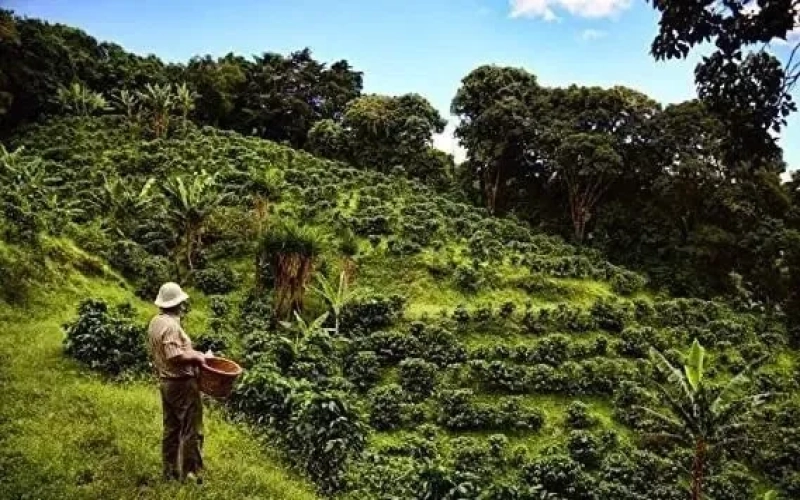
Under multiple pressures, Costa Rica's coffee industry continues to shrink, with production nearly halved compared to the 1990s.
Costa Rica has long been renowned for its deep-rooted coffee tradition and high-quality beans, and coffee cultivation was once a cornerstone of the national economy. In recent years, however, this Central American country's coffee industry has been in steady decline—production has fallen from 3.5 million bags (60 kg/bag) in the 1990s to 1.7 million bags (60 kg/bag) today. Exchange rate fluctuations, policy adjustments, labor shortages, and competition from other coffee-producing countries in the Americas have combined to drive the downturn. At the same time, Costa Rica's economic structure has been transforming rapidly: tourism, pharmaceuticals, and IT are booming, and the service sector now accounts for nearly half of domestic economic output, while agriculture's role is increasingly marginalized. Climate change is affecting coffee quality, geopolitics is driving up the cost of inputs such as fertilizer, and tighter immigration policies are making seasonal labor even scarcer. Looking ahead, industry views are divided: some believe that investment and support can help the industry overcome its difficulties, while others worry that smallholder farmers and traditional growing regions will fall behind in global market competition. This article reviews the current state of and challenges facing Costa Rica's coffee industry, along with related observations from Front Street Coffee. [more…]
From Berlin's first coffeehouse to the world's second-largest consumer nation: the historical trajectory of German coffee culture and the Latin American cultivation landscape
In 1721, the first coffeehouse opened in Berlin, marking the beginning of Germany's coffee industry, which started slowly amid policy restrictions but rose rapidly in the 19th century through Latin American plantations and immigrant networks. German merchants once controlled more than 80 percent of Guatemala's coffee bean exports, and two world wars caused this coffee domain to rise and fall several times. After the war, Germany's economy recovered, and its position in the coffee trade was rebuilt accordingly. Today Germany is the world's second-largest coffee-consuming country, and its per capita consumption far exceeds that of the United States. This article sorts out the complete thread of German coffee culture from its budding beginnings and expansion to its revival, and is suitable for readers interested in coffee history and the industrial landscape to savor carefully. [more…]
Exploring Panama's Kotowa Estate: The Family Legacy and Flavor Profile of Duncan Estate Sun-Dried Caturra
In the Boquete production region of Panama, the Kotowa family has written a coffee legend spanning more than a century. From Canadian Alexander Duncan MacIntyre putting down roots there in 1925, to the current third-generation successor Ricardo Koyner running things together with his daughter Victoria, its Duncan Estate is famous for sun-dried Caturra. This article takes you through Kotowa's long history and the layout of its seven farms, and breaks down the cultivation and processing details of Duncan Estate's sun-dried Caturra. This batch of beans that Front Street Coffee has acquired this time presents, under a medium-light roast, layers of floral notes, red grape, dried fruit, and prune, while in cupping it further reveals the captivating charm of Kyoho grape, honey, and hawthorn. Follow Front Street's perspective and together experience the charm of specialty coffee nurtured by Panama's high-altitude volcanic soil. [more…]

Starbucks North American stores roll out new policies: free refills return, tableware switches to glass and ceramic, menu to be trimmed by 30%
Starbucks recently announced a series of major changes rolling out across its stores in the United States and Canada, covering free refills, swapping out utensils, the return of condiment bars, and the revival of handwritten names, among other measures, while also formally implementing a new rule that only paying customers may use store spaces. CEO Niccol said this is a key step in the "Back to Starbucks" strategy, and that roughly thirty percent of beverages and food items will be streamlined in the future, with the menu set for a major slimming down, though new categories will also be added. Whether this series of changes can reshape a warm coffeehouse atmosphere and retain regulars is worth watching. [more…]

Tims' National Day giveaway of pure gold maple leaves sparks heated discussion, with Canadian netizens expressing envy and saying they want one
During the National Day holiday, Tims launched a limited-time promotion at selected stores in Harbin, Heze, and other locations. Customers who purchased designated combo meals or drinks had the chance to receive a maple leaf craft item containing 2mg of pure gold, some of which were engraved with local landmark designs. After a Harbin netizen posted photos of the actual item, the post unexpectedly went viral, and the comments section was flooded with Canadian netizens expressing envy, even joking that their own country's stores only give away "E. coli and norovirus." This seemingly small but delightful giveaway promotion reflects the frequent food safety issues at Tims in Canada in recent years, as well as the feelings of overseas Chinese returning home and marveling at the environment of domestic stores. [more…]

Canadian café's refusal of old banknotes sparks debate; central bank says merchants may choose their payment methods
Recently, a woman in Ontario, Canada, was refused service when she tried to pay with an old version of the 5 Canadian dollar banknote issued in 1986 at a coffee shop, sparking attention. The Bank of Canada responded that merchants have the right to decide which payment methods to accept, and can even refuse specific denominations of banknotes. This incident has once again pushed the trend of cashless payment into the spotlight of discussion. Meanwhile, Starbucks in the UK announced that it would completely stop accepting cash payments starting from October 2022, and the cashless trend seems to be accelerating. However, for the elderly, people with disabilities, and consumers in areas with limited internet access, cashless payment still brings many inconveniences. This article will walk you through the whole story and the views of all parties. [more…]

Panama Kotowa Duncan Estate Natural Caturra Introduction | What Are Some Recommended Specialty Pour-Over Coffee Beans with Rich Fruity Aromas and Pronounced Sweetness?
This Panamanian Kotowa Estate specialty coffee bean boasts a rich tropical fruit aroma. In its dry fragrance, it presents delicate pink floral notes and intense fruity aromas, primarily fruits such as cranberry, dried fruit, and grapes. After breaking the crust and skimming off the grounds, the coffee greets the palate with flavors of ripe cherries, prunes, and honey-like [more…]

Jasmine Naicha's first Toronto store suspected of vandalism, netizens speculate it points to industry competition and a homeless intrusion
Molly Tea's first Canadian store opened in Toronto at the end of last month, drawing an unprecedented queue on its opening day. However, just half a month into operation, the store was apparently vandalized, with a large hole smashed in its glass door and shattered glass strewn across the floor, while customers were told by staff that opening would be delayed. The incident sparked concern among fans, with speculation running rampant in the comments section that "Chahuanong did it," to which Chahuanong's official Canadian account responded with "???" Some netizens also suggested it could have been the work of a drunk person or a homeless individual, and some even floated theories based on the ambiguity of the English name "Molly." Two hours later, Molly Tea's official Canadian account stated that the store had resumed operations, but offered no explanation for the incident. This article walks you through what happened and how all parties responded, along with Front Street Coffee recommendations and product information. [more…]
Exploring the Four Famous Estates Under Panama's Kotowa and a Flavor Analysis of Duncan Natural Caturra Pour-Over
The Kotowa family of Panama began writing their coffee legend in the late 19th century, and today they own seven farms, among which five are well known to coffee enthusiasts: Duncan Estate, Don K Estate, Crystal River Estate, Traditional Catuwha Estate, and Witch Estate. This article takes you through Kotowa's century-long history, uncovering the stories behind the estate names and the water-driven machinery in the processing plant, while focusing on the Duncan Estate sun-dried Caturra that Front Street Coffee has sourced. From dry aroma to first sip, we break down its floral notes, red grape, dried fruit, prune, and fermented character layer by layer, presenting the complete flavor profile under a medium-light roast. [more…]